Explore the figures behind TEEI’s programmes. Select a programme and a period, open any figure to see how it was counted, ask your own question, and take the findings with their sources.
55 measures · 43 with a published value · every figure with its own date
Snapshotpub-2026-09-18T13-04Z-337ca44e · pinned and the counter observed 18 Sep 2026, 13:04 UTC
pub-2026-09-18T13-04Z-337ca44e· pinned 18 Sep 2026, 13:04 UTC
Explore
43 measures with a published value55 defined in the register · 4 live programmes · 6 reporting periods
Explore programme results
Choose a programme and a reporting period. Every measure with a published value is a row: the figure first, what it counts second, and the source and dates behind it when you open it.
TEEI Language · Everything recorded · 30 measures, 26 with a valuesnapshot pub-2026-09-18T13-04Z-337ca44e · published 18 September 2026, 13:04 UTC
Measure: Volunteer hours is not a measure of this programme; it is published under Across all programmes. You asked for volunteerHours.
Every record to date, both platform eras on one basis. Sessions and hours are one combined record for TEEI Language and TEEI Mentorship; the source does not split them, and the record says so wherever it appears.
measuredread 18 Sep 2026, 13:04 UTC
11,984sessions
911Since 10 July 2026594Last 30 days
Completed sessionsTEEI Language and TEEI Mentorship (combined record)
Everything recorded
Kintell history plus the platform, one basis
population
Learners and volunteers in TEEI Language and TEEI Mentorship, one-to-one
basis
A booking counts when both people were present past the five-minute floor (platform era), or was marked completed with measured shared time in the Kintell history.
Completed one-to-one conversations per monthApr 2022 to Jul 2026 · record stops 23 Jul 2026 · publication pinned 18 Sep 2026
Kintell history by real booking month, with the platform era in the newest bucket up to 23 July 2026. The last month is partial; the series ends at the freeze.
Read the series as a table
Completed one-to-one conversations per month (frozen 23 Jul 2026)
Month
Completed conversations
Apr 2022
2
May 2022
1
Jun 2022
16
Jul 2022
51
Aug 2022
68
Sep 2022
67
Oct 2022
63
Nov 2022
94
Dec 2022
92
Jan 2023
141
Feb 2023
204
Mar 2023
191
Apr 2023
119
May 2023
121
Jun 2023
164
Jul 2023
173
Aug 2023
154
Sep 2023
109
Oct 2023
114
Nov 2023
140
Dec 2023
62
Jan 2024
200
Feb 2024
168
Mar 2024
189
Apr 2024
189
May 2024
189
Jun 2024
143
Jul 2024
182
Aug 2024
154
Sep 2024
173
Oct 2024
151
Nov 2024
188
Dec 2024
144
Jan 2025
241
Feb 2025
361
Mar 2025
485
Apr 2025
443
May 2025
352
Jun 2025
303
Jul 2025
323
Aug 2025
361
Sep 2025
419
Oct 2025
450
Nov 2025
395
Dec 2025
294
Jan 2026
565
Feb 2026
360
Mar 2026
408
Apr 2026
350
May 2026
347
Jun 2026
357
Jul 2026
130
The register30 measures · one row each · what TEEI has defined, whether or not it has a value
Programme delivery
Sessions, learning activity, volunteer contributions and programme participation
9
Completed sessionsTEEI Language and TEEI Mentorship (combined record)11,984 sessions
Completed sessions
11,984sessions · measured · read 18 Sep 2026, 13:04 UTC
Completed one-to-one sessions across Language and Mentorship. The session method defines the current attendance threshold and the historical counting rules.
Period
Everything recorded, from 22 April 2022. Kintell history plus the platform, one basis
Population
Learners and volunteers in TEEI Language and TEEI Mentorship, one-to-one
Basis
A booking counts when both people were present past the five-minute floor (platform era), or was marked completed with measured shared time in the Kintell history.
Included
Completed bookings, both eras, one basis
Excluded
Cancelled, declined, expired and no-show bookings; Group sessions (counted separately); Bookings awaiting attendance evidence
Aggregation
count of completed bookings
Evidence
system observed
Observed
18 September 2026, 13:04 UTC
Limits
One count across TEEI Language and TEEI Mentorship130 bookings on the earlier platform completed with no measured time and count as sessions
Completed sessions across the periods it supportssessions · same snapshot, same definition · a shorter period inside a longer one is a part, not growth
Participant hours: three people for one hour is three hoursCounted on its own definition, separately from conversation hours, partner learning hours and Cockpit hours.
Technical detailsCalculation canonical record · definition IMP-001 v2.1 (2026-09-16) · source the canonical record, language learners · measure id learners
Participant progress
Language levels, confidence, goals and continued participation
6
Language level recorded468 level records
Language level recorded
468level records · 314 learners with a level recorded · measured · read 18 Sep 2026, 13:04 UTC
Recorded language-level assessments, each with a date and the basis for the assigned level.
Period
Everything recorded, from 10 July 2026. The platform’s own booking history begins 10 July 2026.
Population
Language learners with a recorded level
Basis
A learner’s working level at a point in time, with the reason it was set.
Included
Level snapshots
Aggregation
count of snapshots
Evidence
assessed
Observed
18 September 2026, 13:04 UTC
Limits
A level record is a working level, not a certified level
Cohort
314 learners with a level recorded; 105 learners with two or more level records; 33.4 % share of the eligible group measured twice. A level set by the platform or a volunteer, with the basis recorded. Follow-up interval: Not recorded by the platform.
26changes · 105 learners with two or more records · measured · read 18 Sep 2026, 13:04 UTC
Changes between a learner’s recorded language levels, reported alongside the number of learners with repeat measurements.
Period
Everything recorded, from 10 July 2026. The platform’s own booking history begins 10 July 2026.
Population
Learners with more than one level record
Basis
A later snapshot at a different level for the same learner.
Included
Recorded level changes
Excluded
Learners with a single record
Aggregation
count of learners whose later level differs
Evidence
assessed
Observed
18 September 2026, 13:04 UTC
Limits
Change between two level records
Cohort
314 learners with a level recorded; 105 learners with two or more level records; 33.4 % share of the eligible group measured twice. Comparison of a learner’s earliest and latest recorded level. Follow-up interval: Not recorded by the platform.
57learners · 442 ratings given · measured · read 18 Sep 2026, 13:04 UTC
Learners with both an initial and a later confidence rating, providing the basis for comparing their self-reported confidence over time.
Correctionissued 21 September 2026 · err-2026-09-21-confidence-denominator
What this publication says. The publication states 12.9 % as the share of the eligible group measured twice, for learners who rated their confidence.
Why it is wrong. The denominator is the number of ratings given (442), not the number of learners who gave them. A share of learners cannot be read off a count of ratings, so the figure does not mean what its label says. The numerator, 57 learners with a first and a later rating, stands.
What we do about it. The share is withheld wherever this publication is read. The two counts behind it are still shown, each labelled with what it counts. No published byte of the snapshot or its proof is changed.
Period
Everything recorded, from 10 July 2026. The platform’s own booking history begins 10 July 2026.
Population
Learners who rated their confidence after a session
Basis
The learner’s own rating of confidence using the language after a session, first against latest.
Included
Learners with a first and a later rating
Excluded
Learners with a single rating
Aggregation
count of learners rated twice or more
Evidence
self reported
Observed
18 September 2026, 13:04 UTC
Limits
Self-reported on a five-point scaleChange in the learner’s own rating, first against latest
Cohort
442 confidence ratings given; 57 learners with a first and a later rating; the share of learners is withheld. The denominator is the number of ratings given (442), not the number of learners who gave them. A share of learners cannot be read off a count of ratings, so the figure does not mean what its label says. The numerator, 57 learners with a first and a later rating, stands. Self-rating on a five-point scale after a session. Follow-up interval: The interval between a learner’s first and latest rating; not fixed by the programme.
Together for Ukraine still runs. From 2022 it also ran programmes for what the war broke first: school for children whose families had fled, camps for children and families, books in their own language, and help for Ukrainian universities to keep teaching. These have done their work and closed. Everyone they reached is part of the 20,000+ people TEEI has reached since 2022; the figures above count the programmes running now.
Children
Online Ukrainian School
Ukrainian teachers taught the national curriculum in live online classes for children whose families had fled.
Children and families
Recovery Camps
Camps for children and families affected by the war, run with Ukrainian partner organisations.
Families
Books for Kids
Ukrainian-language children’s books for displaced families across Europe.
Young people
Youth Programmes
Education, digital skills and enterprise tracks for young Ukrainians, through the national youth centre network.
Universities
University Support Programme
Hardware, software and learning systems for Ukrainian universities keeping their teaching going.
Adult learners
TEEI Open University
Online routes into university-level study for Ukrainians.
Women founders
Women’s Entrepreneurship Programme
Support for Ukrainian women building a business, from the first steps to leading one.
148 countriesby residence · frozen 23 Jul 2026 · counts under five withheld
Where participants and volunteers live
148 countries with at least one of TEEI’s members, by residence.
Residence of registered members, of volunteers with at least one booking or offering, and of learners with at least one booking. Volunteers and learners overlap, so each count is read on its own. The 187+ countries TEEI has reached is the wider measure, including partners and supporters; this map draws where participants and volunteers live.
a count, scaled by its square rootfewer than five, withheld (57 countries)the five largest named
3,639Ukraine
761United Kingdom
754United States
465Poland
378Germany
271Canada
229Ireland
218South Africa
Read the countries as a table
members by country of residence, largest first (40 of 148; the whole table is at the country table)
Country
members
Ukraine
3,639
United Kingdom
761
United States
754
Poland
465
Germany
378
Canada
271
Ireland
229
South Africa
218
Spain
175
Italy
150
Australia
142
Netherlands
138
Norway
137
Indonesia
126
Brazil
107
France
105
Romania
97
Nigeria
92
Czech Republic
91
Switzerland
86
India
77
Sweden
77
Turkey
73
Portugal
69
Austria
67
Slovakia
66
Pakistan
60
Egypt
59
Colombia
53
Kenya
53
Argentina
52
Lithuania
49
Denmark
47
Morocco
45
Philippines
44
Finland
43
Peru
43
Belgium
39
Mexico
39
United Arab Emirates
35
Progress
7 outcome measures5 with a published value · 2 cohorts drawn to scale · the denominator is the drawing
Learning and participant progress
Each cohort is one drawing: everyone eligible is the full width, the people measured twice are the filled part, and the finding is the darkest part. The size of every group is visible before its number is read.
Language levelTEEI Language
314learners with a level recorded
105learners with two or more level records
26recorded level changes
33.4 % of the eligible group measured twice
26 of 105 measured twice: recorded level changes, 25 %.
A level set by the platform or a volunteer, with the basis recorded. Follow-up interval: not recorded by the platform. A level record is a working level, not a certified level.
Self-rating on a five-point scale after a session. Follow-up interval: the interval between a learner’s first and latest rating; not fixed by the programme. Self-reported on a five-point scale. Change in the learner’s own rating, first against latest.
The change in a mean is read across the people measured twice. The people measured once are drawn as well, so the width of each bar is the whole eligible group.
13 worked examplesrules ported from the platform on 15 September 2026
How we measure a completed conversation
Every completed session and every conversation hour on this page comes out of this rule. Pick a case, or drag the handles: the learner’s and the volunteer’s connection intervals, their overlap, the five-minute floor, the grace after the booked end. The page decides it with the same rules module the platform runs.
The rule · case S1 · a worked exampledrag a handle · arrow keys 1 min · shift 10 min · alt 1 s
the ordinary cases
the edges
the earlier platform
S1 · worked example Both arrive close to the start and leave together before the hour ends.
Without JavaScriptthe server decides with the same rules module and returns this page with the resultthe address carries your case, so it can be citedthe full session method
The constantsthe same values the platform runs · ported 15 September 2026
assistant onreads snapshot pub-2026-09-18T13-04Z-337ca44e · answered by Claude · every figure a citation · each answer checked against the snapshot
Ask about the results
The answer is written from the same figures the page draws, and each figure in it is the same object as above: state, value, period, read time. The receipt beside it is what the assistant read, in the order it read it.
Assistant · snapshot pub-2026-09-18T13-04Z-337ca44e · language4 lookups at most · 22 s at most · answers cached for an hour
Your question is sent to the model that answers it. TEEI writes no copy of it: the cache is keyed by a hash, and the server log records counts and timings only. The answer itself is cached for an hour, and it names its snapshot, its period and its sources.
It can
Look a published measure up for a period the record supports.
Compare a measure across its periods, or across programmes where the record separates them.
Explain how a measure is defined, what is in and out, and its limits.
Find an approved participant account beside a finding, and build the link to a report.
How it answers
Every figure in an answer comes from a lookup on this snapshot.
Hours stay on their own basis, and the Language and Mentorship counter stays one figure.
An observed change is reported as a change, and a scenario as a scenario.
Participants speak in the films, in their own words; the assistant points to them.
Modela Claude model from Anthropic, a smaller one for a brief answer and a larger one for a detailed oneit reads this snapshot and nothing elseevery number in an answer is checked against the lookups before it is shown
History
1 published snapshotcontract 1.0.0 · register IMP-001 v2.1 (2026-09-16)
Published reports and updates
Every snapshot we publish stays. Changes between two are typed: new activity, late records, a correction, a method change. The archive begins on 18 September 2026; the corrections and method changes before it are the register’s own.
Every event on the series it changedthe same ruler as the explorer · 7 events · labelled where they sit
16 Sep 2026correctionSection 11 read as if Health Equity, Research and Advocacy had produced nothing, under the heading "still blocked on material". Each of the three has published work: the One Connection draft protocol with its measures named before enrolment, the L2SAFE pilot with its single discordant pair in the open, and six advocacy streams each naming its source. What is missing is the record that counts them, not the work. Rewritten to name the published work with its address, and the status word changed from no source to Reserved.Raised by the Executive Director on reading the public page, 2026-09-16One Connection outcomesResearch outputs and their usePolicy contributionsIMP-001 v2.1
16 Sep 2026correctionLearner confidence first read "105 learners with a first and a later rating". 105 is the number of learners with any confidence rating; 56 have two or more. Comparing first against latest over all 105 counted single-rating learners twice and flattened the change. Corrected to 56 learners, 3.66 rising to 3.75.Found by the worker building the endpoint, checking the definition against the queryLearner confidenceIMP-001 v2.1
23 Jul 2026method changeHours changed basis from scheduled duration to measured conversation time, on both halves.Scheduled time is what was booked, not what happened. Measured time is the strongest verifiable claim.Kintell scheduled hours: 7,682.8 → Kintell conversation hours: 8,502.8Conversation hours2.3.0
23 Jul 2026correctionThe earlier claim that about 500 bookings were lost to pagination drift was wrong. It was a parameter bug in our own extraction; the complete pull is 16,312 of 16,312 and 863 of 863.The June sweep paginated with page=N against an API that requires page[number].Completed sessionsConversation hours2.3.0
23 Jul 2026correctionA second early claim, that the measured-time field was unset on hundreds of completed bookings, was also wrong. The field was never unset; 130 completed bookings carry a measured zero.A direct count over the complete sweep replaced an inference from an incomplete one.Conversation hours2.3.0
23 Jul 2026method changeGroup sessions (clubs) are measured and reported separately from the headline totals.At the snapshot, ended clubs carried scheduled hours while no participant had passed the presence floor, so those hours stay out of the totals.Conversation hoursCompleted sessions2.3.0
undatedcorrectionLive-platform records with no residence field were re-read for country of origin. 622 became 16 unplaceable.The first parse read only the residence column and discarded origin.live-platform members with no residence recorded: 622 → members still unplaceable after the re-read: 16countries2.1.0
The historical basis, then and nowthe Kintell half, contract 2.1.0 against 2.3.0
Conversation hoursmethod change7,682.8 scheduled, 2.1.0 → 8,502.8 measured conversation time, 2.3.0The historical hours basis changed from scheduled time to measured conversation time.
your team, sketchedsessions and hours from your own assumptions · every assumption named
Plan your team’s participation
Your employees, your participation rate, your cadence. The sketch says how many sessions and how many hours that would be, with every assumption named. Once your team is taking part, we count every hour in the CSR Cockpit, the dashboard we built for the report you have to file.
Scenario · TEEI Languagechange any input and sketch it again
Scenario10 of 100 employees taking part, 2 sessions a month of 60 minutes, for 12 months
Drawn beside what happenedthe same ruler, continued past the pin
357 completed in the last full monththe current month, partial20 a month, sketched
240sessions
240volunteer hours
240participant hours
2hours per participating employee a month
one to one
Each session pairs one participating employee with one participant. the platform booking model: requests, acceptance and recurring series
booked window
The default booked session window is 60 minutes; the caller can change the scenario input. the booked window used by the worked example on this page
measured time
Measured conversation time can differ from booked time in either direction. the data contract for conversation hours and scheduled hours
Sessions delivered depend on learner demand and volunteer availability; the platform reports the hours volunteers offer ahead as a measured figure.
One figure per set of inputs. Change the participation rate to see how far the sketch moves.
Without JavaScriptthe server sketches it and returns this page with the resultthe address carries your inputs
The people behind the numbers
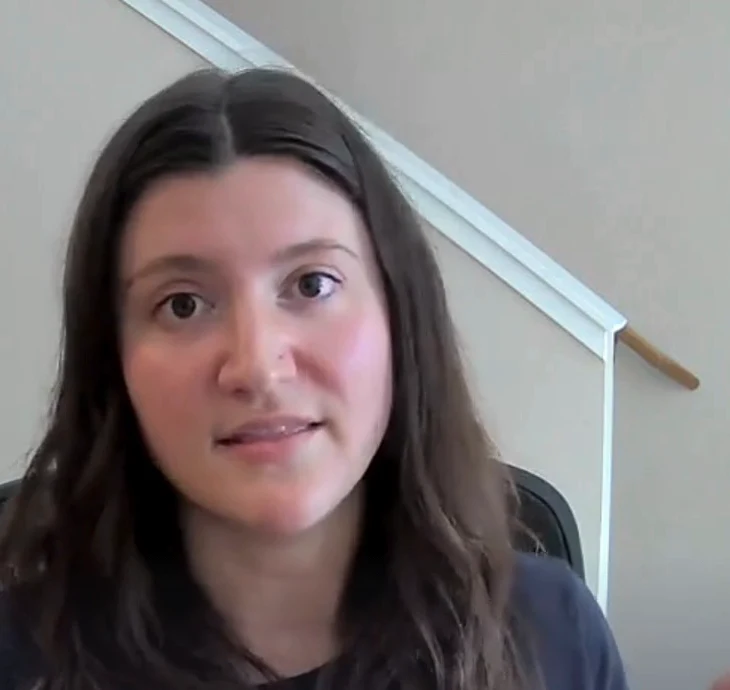
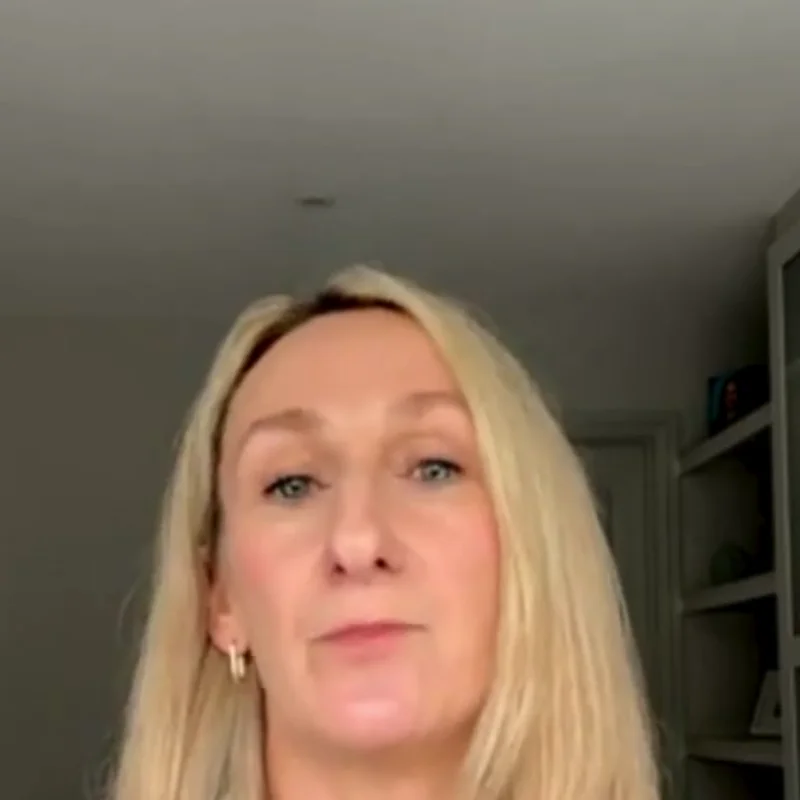
8 filmsrecorded with consent · 1 with reviewed subtitles
Participants and volunteers, in their own words
Each film is here with the consent of the person in it, and stands beside the finding it belongs to: a learner beside the learners, a mentor beside the mentors.
The selection you made, its charts, the findings, the method notes and the films beside them, bound to the snapshot you read. A reader who opens your file opens the same numbers, and can check that they are the same.
This viewpub-2026-09-18T13-04Z-337ca44eTEEI Language · everything recorded · 43 measured, 9 defined, 3 planned · pinned 18 September 2026, 13:04 UTC
Unchangeddigest 337ca44e96210c66…SignedECDSA P-256 over this digest, key sha256:fdbe6d61164ad772… · sealed 20 September 2026, 12:27 UTC Held outside TEEI’s reacha write-once copy in teei-impact-publications-249617161581 (eu-west-1), version FRQrFoa2pooo6TODC0fjUB878KJTJB0F, under a compliance lock until 20 September 2036: nobody, TEEI included, can alter or delete it before then · read the proof
Cite it
The Educational Equality Institute (2026). TEEI impact data, snapshot pub-2026-09-18T13-04Z-337ca44e, selection TEEI Language, everything recorded. https://theeducationalequalityinstitute.org/about/impact/?snap=pub-2026-09-18T13-04Z-337ca44e&programme=language
BibTeX
@dataset{teei_pub_2026_09_18T13_04Z_337ca44e,
  author = {The Educational Equality Institute},
  title = {TEEI impact data},
  year = {2026},
  version = {pub-2026-09-18T13-04Z-337ca44e},
  url = {https://theeducationalequalityinstitute.org/about/impact/?snap=pub-2026-09-18T13-04Z-337ca44e&programme=language}
}
Download the report and data
This selectionTEEI Language · everything recorded. Each file carries the selection above and the publication it derives from.
The original publicationThe whole unchanged record and the material to verify it. Not a filtered report: these carry every programme and every measure, whatever is selected above.
The whole record, as JSONThe proof of the sealThe country tablethe country table is the frozen country contract, with its own coverage and its own date The page is the report: every row open, the charts in place, the citation in the footer of every page. Your browser makes the PDF.
Corrections to this publication
Impact hours, Partner learning hours · issued 23 September 2026. 66,900+ is an earlier reading of the same DataCamp partner dashboard that partner learning hours reports. It is time on the DataCamp platform, not activity across all programmes. Both values are superseded by the dashboard reading of 21 September 2026: 76,032 hours on the DataCamp platform. Impact hours is withheld from the register on this page, and partner learning hours carries this correction wherever the publication is read. The values in the publication are unchanged, and no byte of the snapshot or its proof is altered. The next publication carries 76,032 as partner learning hours and leaves the earlier reading out. No corrected edition has been published yet.
Learner confidence · issued 21 September 2026. The denominator is the number of ratings given (442), not the number of learners who gave them. A share of learners cannot be read off a count of ratings, so the figure does not mean what its label says. The numerator, 57 learners with a first and a later rating, stands. The share is withheld wherever this publication is read. The two counts behind it are still shown, each labelled with what it counts. No published byte of the snapshot or its proof is changed. No corrected edition has been published yet.
Buddy matches, Buddy meetings · issued 21 September 2026. Neither is a total across the programme's history. 15 is the number of matches recorded as active at the moment the snapshot was read, excluding ended matches; 7 is the number of meetings recorded on the platform, and meetings held elsewhere are not recorded. All time reads as a history, which is the opposite of what both figures are. Both are shown as a state read at the snapshot, dated, with what each one counts. The published values are unchanged, and no byte of the snapshot or its proof is altered. No corrected edition has been published yet.
What it was read from
The live counterread 18 September 2026, 13:04 UTC811c3e213e71be41…